


Blogs
News & Blogs
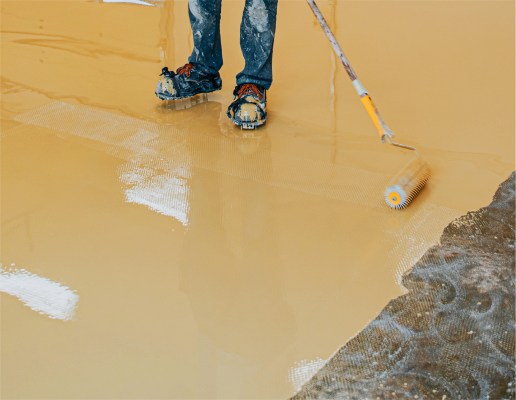
7 Signs It's Time to Replace Your Garage Floor Coating | Mr. Seal Floors
A garage floor coating protects concrete from moisture, stains, chemicals, vehicle traffic, and everyday wear. Over time, even a well-installed system can lose its appearance and protective strength. Catching the warning signs early can prevent deeper concrete damage and reduce the need for repeated repairs. This guide explains why coatings wear out, the most common signs of failure, when replacement makes more sense than patching, and why professional epoxy flooring installation matters.
Why Garage Floor Coatings Wear Out
Garage floors face constant stress. Hot tires, road salt, oil, cleaning chemicals, dropped tools, and heavy storage equipment all affect the surface. Temperature changes and moisture can also weaken the coating over time.
Installation quality plays a major role in performance. A coating applied over smooth, dirty, damp, or poorly prepared concrete may begin peeling much sooner than expected. Proper preparation gives the coating a clean, textured surface to bond to.
Even a professionally installed system will eventually age. The key is knowing when the damage is minor and when the coating no longer provides reliable protection.
Seven Signs Your Garage Floor Coating Needs Replacement
Some problems can be repaired when they affect only a small area. Widespread damage or repeated failure usually points to full replacement.
1. Peeling or Delamination
Peeling is one of the clearest signs that a coating is failing. You may see loose edges, lifting sections, or areas that sound hollow when tapped.
This separation, known as delamination, can result from poor surface preparation, moisture, contamination, or normal aging. Once it spreads, patching often provides only a temporary fix. Removing the failed coating and preparing the concrete again creates a stronger foundation for a new system.
2. Cracks and Chips Are Spreading
A small chip may not require full replacement. However, cracks across several areas or widespread chipping should not be ignored.
Open damage allows water, oil, road salt, and other contaminants to reach the concrete. Moisture can also move into cracks and contribute to further deterioration.
If cracks continue to return after repairs or bare concrete is visible in several places, the floor should be evaluated before more damage develops.
3. Stains No Longer Clean Off
A healthy topcoat makes spills and dirt easier to clean. Oil, grease, mud, and common garage fluids should not immediately leave permanent marks.
Persistent staining may indicate that the topcoat has become worn or porous. Dull areas and dark patches can also show that contaminants have penetrated the surface.
When routine cleaning no longer restores the floor, replacement can provide a fresh sealed surface that is easier to maintain.
4. Fading or Discoloration
Fading, yellowing, uneven gloss, and pale areas near the garage door often indicate surface aging.
Sunlight can affect coatings that lack strong ultraviolet resistance. Tire contact, chemicals, and harsh cleaners may also change the color or sheen.
Discoloration alone may be cosmetic. However, when it appears with peeling, scratches, or worn texture, the system is likely losing more than its appearance.
5. The Surface Has Become Slippery
Garage floors are often exposed to rainwater, melting snow, vehicle fluids, and cleaning water. As a coating wears down, it may lose the texture that once helped provide traction.
Slippery areas near vehicles, doors, and workspaces can create a safety concern. The Occupational Safety and Health Administration notes that textured flooring can improve slip resistance in wet, oily, or dirty conditions.
A replacement system can include a traction additive in the topcoat. The texture should provide grip without making the floor unnecessarily difficult to clean.
6. Bubbles or Blisters Are Appearing
Bubbles, raised areas, and blisters may indicate trapped moisture or air beneath the coating. These weak spots can eventually split open and expose the concrete.
Moisture problems should be addressed before another coating is installed. The U.S. Environmental Protection Agency identifies excess water vapor from concrete slabs as a possible cause of flooring problems.
Applying more material over blistered areas rarely solves the issue. The failed coating should be assessed, and the moisture source should be considered before replacement.
7. Repairs Have Become Routine
Occasional maintenance is normal. Constant patching is not.
If repaired areas keep peeling, new chips continue to appear, or several parts of the floor need attention, the coating may no longer be worth maintaining. Multiple patches can also create uneven color and texture.
Full replacement addresses the entire surface at once. It also gives the installer a chance to repair cracks, remove loose material, and correct adhesion problems.
Why Replacement Is Better Than Repeated Repairs
Replacing a failing coating restores consistent protection across the garage. It can improve traction, simplify cleaning, cover repaired areas, and give the floor a more uniform appearance.
Mr. Seal Floors offers full flake, random flake, metallic, and solid-color systems. Full flake floors use a 100% epoxy base coat, decorative flakes broadcast to refusal, and a clear polyaspartic topcoat with grit for slip resistance. Each system offers a different combination of color, texture, durability, and maintenance needs.
The best option depends on vehicle traffic, sunlight, chemical exposure, style preferences, and the condition of the concrete. A professional installer can recommend a system that fits the space without overcomplicating the project.
Why Professional Installation Matters
A replacement coating depends on proper surface preparation. Old material must be removed, cracks must be repaired, and contamination must be addressed before the new system is applied.
Diamond grinding or shot blasting creates a clean, profiled surface that supports a stronger bond. Professional installation also helps reduce mistakes involving moisture, material mixing, coverage, and curing.
The National Institute for Occupational Safety and Health advises reviewing safety information when handling uncured resin components.
Mr. Seal Floors has more than 35 years of experience installing residential, commercial, and industrial floor systems. The company also offers free estimates and samples so customers can compare colors and textures before making a decision.
Protect Your Garage Before the Damage Spreads
Peeling, cracks, stains, fading, slippery areas, blisters, and repeated repairs are all signs that an old coating may no longer protect the concrete. Replacing it before the damage spreads can reduce repair needs and restore a cleaner, safer surface. Professionally installed epoxy flooring also provides the preparation and material quality needed for dependable long-term performance.
Mr. Seal Floors installs durable garage floor systems backed by decades of hands-on experience. Contact the team today at 515-493-8630 or [email protected] for a free estimate, view available samples, and find the right coating system for your garage.


Garage flooring done right since 1984.
Monday - Friday
8:00 AM - 5:00 PM
Information

