


Blogs
News & Blogs
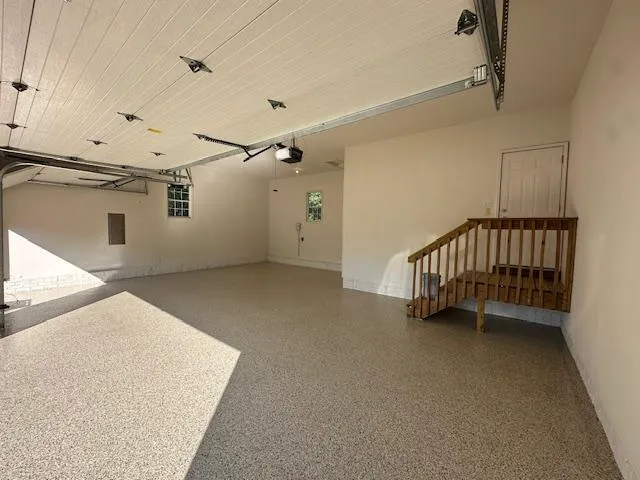
Seasonal Maintenance for Epoxy Flooring Des Moines
Iowa weather puts concrete under constant pressure. Freezing winters, road salt, humid summers, and heavy rain all affect surface performance. Homeowners and business owners who invest in epoxy flooring Des Moines has to offer should understand how each season impacts long term durability. A professionally installed system delivers strength from day one, yet routine care determines how well a floor performs year after year. The sections below explain how Iowa conditions affect epoxy floors and outline clear steps for maintenance through every season.
Understanding What Iowa’s Climate Does to Epoxy Floors
Epoxy flooring handles heavy traffic and chemical exposure, yet Iowa presents ongoing challenges. Freeze thaw cycles cause slabs to expand and contract. Road salt introduces corrosive residue. Spring rain increases moisture pressure beneath concrete. Summer heat raises surface temperature and adds stress from vehicle weight.
Seasonal change creates gradual wear on any coated surface. Small scratches, residue buildup, and joint movement add up over time. Regular cleaning and scheduled inspections prevent minor concerns from turning into structural issues. Owners who stay consistent with maintenance protect both appearance and performance.
Winter Maintenance Protecting Against Salt and Moisture Damage
Winter places the greatest strain on garage and commercial epoxy floors. Snow, slush, and salt enter daily and settle across the surface.
Remove Salt and Sand Regularly
Salt crystals and sand act like sandpaper under foot and tire traffic. Frequent sweeping removes abrasive debris before damage occurs. Use a soft bristle broom or microfiber dust mop. Keep entry areas clear to reduce tracking across the floor.
Clean Residue Before Buildup Forms
Salt leaves a white film when left unattended. Mop with warm water and a mild, non acidic cleaner. Rinse thoroughly so residue does not remain on the surface. Avoid harsh degreasers or acidic products. Strong chemicals weaken protective topcoats and reduce gloss.
Eliminate Standing Water
Snowmelt should not sit for long periods. Although epoxy resists moisture, prolonged pooling increases stress at joints and edges. Use a floor squeegee to move water toward drains or out of the garage. Dry surfaces reduce long term wear.
Winter maintenance requires discipline. Consistent care preserves surface clarity and protects the coating system.
Spring Maintenance Inspect Clean and Repair Early
Spring offers an opportunity to reset after months of winter exposure. A detailed inspection during moderate temperatures helps maintain structural integrity.
Deep Clean the Surface
Begin with a full cleaning to remove any remaining salt or grime. A thorough rinse improves visibility and prepares the floor for inspection. Clean surfaces reveal chips or scratches that debris might hide.
Inspect for Minor Damage
Look closely at expansion joints, edges near garage doors, and high traffic areas. Small chips or light surface wear often appear after freeze thaw movement. Address repairs early to prevent moisture from reaching the concrete beneath the coating.
Evaluate Exterior Drainage
Spring rain increases water flow around foundations. Confirm gutters and downspouts direct water away from the slab. Reduced exterior moisture lowers pressure beneath the floor and supports long term adhesion.
Spring attention keeps small defects from spreading. Early action saves time and protects the system before summer heat arrives.
Summer Maintenance Managing Heat UV and Heavy Use
Summer introduces heat, sunlight, and increased garage activity. Higher temperatures affect both surface temperature and traffic levels.
Monitor Hot Tire Areas
Vehicle weight combined with heat places stress on lower quality coatings. Professionally installed epoxy systems resist hot tire transfer, yet cleanliness still plays a role. Sweep debris that traps heat beneath tires and remove grit that increases friction.
Clean Automotive and Lawn Spills Quickly
Oil, fuel, and lawn chemicals appear more often during warm months. Epoxy surfaces resist staining, yet prompt cleanup protects finish quality. Wipe spills immediately and rinse with mild cleaner to maintain uniform appearance.
Improve Air Circulation
Humidity rises during Iowa summers. Open garage doors when weather allows or use ventilation fans to reduce condensation. Stable interior conditions support coating longevity and reduce surface moisture buildup.
Summer care centers on preserving surface clarity and preventing unnecessary stress from daily use.
Fall Preparation Getting Ahead of Winter Conditions
Fall serves as preparation season. Addressing minor wear before freezing temperatures arrive strengthens winter performance.
Perform a Detailed Cleaning
Remove leaves, dirt, and accumulated debris. Clean surfaces allow for accurate inspection and proper repair work. Dirt left behind during winter increases abrasion once snow and salt return.
Review Topcoat Condition
Examine areas near garage entrances and drive lanes. High traffic zones often show early signs of wear. If gloss appears uneven or texture feels rough, schedule maintenance before winter exposure intensifies.
Seal Chips and Joint Gaps
Repair minor chips or joint separation during moderate weather. Sealing these areas blocks moisture entry during freeze thaw cycles. Solid preparation reduces risk of coating separation later.
Fall maintenance focuses on prevention. Proper preparation strengthens resistance against salt and moisture.
Proper Cleaning Techniques That Protect Epoxy Floors
Correct cleaning methods extend floor life. Simple tools and consistent habits make a noticeable difference.
Use a microfiber dust mop for routine debris removal. Select a soft bristle broom for larger areas. For deeper cleaning, mix a mild non acidic cleaner with warm water. Rinse thoroughly so no film remains.
Avoid vinegar, citrus cleaners, and high pressure washing at close range. Abrasive pads scratch the surface and reduce shine. Gentle methods preserve the protective layer without weakening the coating.
Neglect and improper cleaning cause most premature wear. A disciplined routine keeps the surface uniform and extends service life.
Long Term Performance Starts with Professional Installation
Seasonal maintenance protects the surface, yet long term durability begins with proper installation. Surface preparation requires mechanical grinding or shot blasting to create a strong bond between concrete and coating. Skipping preparation leads to adhesion failure.
High quality systems rely on a one hundred percent solids epoxy base coat paired with a durable protective topcoat. Skilled installation ensures even thickness, full coverage, and consistent texture. Experienced installers understand how Iowa climate affects slabs and adjust preparation and application methods accordingly.
When expert installation pairs with routine seasonal care, epoxy flooring delivers dependable performance through freeze thaw cycles, road salt exposure, and heavy traffic.
Protect Your Floor Before the Next Season Arrives
Epoxy floors represent a long term investment in durability and appearance. Seasonal maintenance preserves that investment and reduces repair costs. Scheduling inspections before extreme weather keeps surfaces ready for Iowa conditions.
For property owners planning upgrades or seeking professional guidance, epoxy flooring Des Moines offers a durable solution built for year round performance. Contact our team for a free estimate and receive clear recommendations based on decades of local experience.


Garage flooring done right since 1984.
Monday - Friday
8:00 AM - 5:00 PM
Information


©2025, Mr Seal LLC. All Rights Reserved.
Privacy Policy | Terms & Conditions