


Blogs
News & Blogs
Is Epoxy a Good Investment for Your Basement Floor? - Mr. Seal
Basement floors can be one of the most overlooked parts of a home—until problems arise. Cracking, discoloration, and moisture issues can affect the safety and appearance of your space.
Understanding the causes behind these problems is the first step in preventing them. This article breaks down the common reasons for basement floor deterioration and offers reliable prevention strategies to protect your investment.
Common Causes of Damage
Several factors can contribute to the breakdown of a concrete floor in the basement. Identifying these early can help you avoid costly repairs.
Water and Moisture Intrusion
One of the most frequent causes of floor damage is moisture. Whether it seeps in from the ground or leaks through cracks in the foundation, water can wreak havoc over time. Hydrostatic pressure—caused by groundwater pushing against the foundation—can force moisture through even tiny openings in the concrete.
Excess moisture often leads to efflorescence, which is the white, chalky residue left behind when water evaporates. It can also create the perfect environment for mold and mildew, both of which can degrade the floor and affect air quality. Prolonged exposure to moisture may cause the surface to lift, flake, or spall, significantly reducing its lifespan.
Cracking and Foundation Movement
Concrete naturally expands and contracts with temperature changes. Over time, this can lead to cracking. Foundation settling or shifting can worsen the problem. Tree roots, poor soil conditions, and heavy loads can also cause structural stress that leads to cracks.
While some hairline cracks are normal, larger or growing cracks can allow moisture and debris to enter. If left unaddressed, these openings may compromise the structural integrity of the floor.
Inadequate Surface Preparation
Previous flooring projects that skipped proper surface prep can leave behind a host of issues. Residual adhesives, paint, or oils create barriers that prevent new coatings from bonding correctly. Improperly prepared surfaces may appear fine at first but can begin peeling, bubbling, or delaminating shortly after installation.
Without grinding or blasting the concrete surface to remove contaminants and open up the pores, any new finish is likely to fail prematurely.
Environmental Stress
Basements are especially vulnerable to environmental stress due to their location below ground. Seasonal temperature shifts can cause freeze-thaw cycles that expand and contract the concrete. When water enters cracks and freezes, it expands and widens the gaps, accelerating damage.
Humidity is another factor. Basements tend to retain moisture, and high humidity levels can soften unsealed concrete or lead to condensation issues, both of which contribute to surface breakdown.
Chemical Exposure and Wear
Concrete is durable, but it's not immune to everyday abuse. Household chemicals, pet accidents, road salt, and even cleaning products can slowly degrade the surface. In basements used as workshops, storage, or utility rooms, dropped tools and heavy equipment can chip or wear down the floor.
Without a protective coating, the porous nature of concrete leaves it vulnerable to stains, etching, and long-term damage from these sources.
Proven Prevention Strategies
Avoiding damage isn't just about reacting to problems; it's about taking proactive steps to reinforce and protect the surface. Here are proven strategies that can help preserve your basement floor for the long haul.
Moisture Management
Keeping water out is one of the most critical steps. Start by ensuring that gutters, downspouts, and grading around the home direct water away from the foundation. A properly functioning sump pump and perimeter drain system can also keep underground moisture from building pressure against the floor.
Inside, consider applying a vapor barrier on the slab before any floor system is installed. This adds an additional layer of protection against water migration.
Proper Surface Preparation
Before applying any new floor coating, the surface must be properly prepared. This means removing all previous coatings, adhesives, and contaminants through diamond grinding or shot blasting. These mechanical methods not only clean the surface but also create a profile that allows new coatings to adhere securely.
Skipping this step often leads to premature failure of even the best products. Professional prep work is the foundation of a long-lasting floor finish.
Epoxy Flooring Systems
When it comes to protecting a concrete floor, epoxy coatings are among the most effective options. They offer a seamless, non-porous barrier that resists moisture, stains, and chemicals.
Solid Color Epoxy
Solid color epoxy offers a sleek, durable surface that holds up to foot traffic, spills, and abrasions. It’s an excellent choice for homeowners who want a clean, professional finish that’s easy to maintain.
Metallic Epoxy
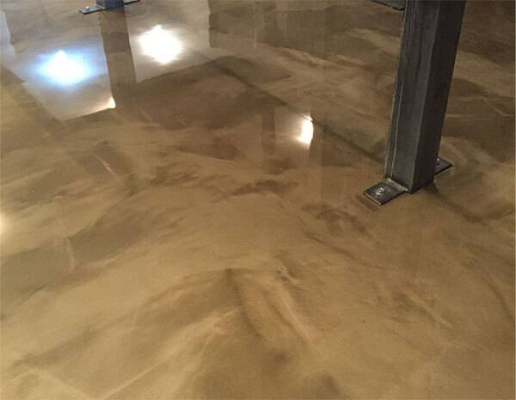
For a more decorative option, metallic epoxy adds visual depth and a unique look while maintaining the same level of protection. Its high-gloss, marbled appearance makes it a popular choice for finished basements where style matters.
Both options benefit from the same installation principles: proper prep, high-quality materials, and professional application.
Regular Maintenance
Even the most durable floor systems need some upkeep. Regularly sweep and mop to remove dirt and debris. Address spills promptly to prevent staining. Periodically inspect for signs of wear, especially in high-traffic areas.
Depending on usage, a recoating every several years can refresh the protective layer and extend the life of the floor. Staying ahead of minor issues helps prevent them from becoming major problems.
Protect Your Basement Floor the Right Way
Choosing the right solution means more than just picking a product—it’s about professional installation and lasting results. Mr. Seal has over 35 years of experience installing epoxy flooring systems that stand up to moisture, wear, and time. From solid color coatings to unique metallic finishes, we prepare every surface the right way and use high-performance materials built for real-life conditions.
Contact Mr. Seal today at 515-493-8630 or [email protected] for a free estimate and personalized recommendation. Protect your basement floor with a system that delivers both performance and peace of mind.


Garage flooring done right since 1984.
Monday - Friday
8:00 AM - 5:00 PM
Information

