


Blogs
News & Blogs
Beat the Hidden Enemies of Your Epoxy Garage Floor | Mr. Seal
Concrete floors might seem indestructible, but time and environment can prove otherwise. An epoxy garage floor may offer added strength, but even that won't help if you don't understand what's working against your concrete.
Whether in a garage, basement, or commercial space, unseen threats are always at work. Let's take a closer look at the real enemies your floor faces—and what you can do about them.
The Hidden Enemies of Concrete Floors
Many homeowners and business owners are surprised at how easily a concrete floor can start to deteriorate. Let’s take a closer look at the most common sources of damage.
Moisture Intrusion
Moisture is one of the most destructive forces acting against concrete. It can seep up from the ground or come from surface spills and humidity. Over time, this water penetrates the pores of the concrete, leading to cracking, spalling, and even mold growth.
Moisture-related damage often appears as bubbling under coatings or discoloration of the surface. In some cases, trapped moisture can also cause coating failures if not addressed before sealing the floor.
Chemical Exposure
Concrete may seem tough, but it is vulnerable to a wide range of chemicals. Everyday garage substances like oil, brake fluid, salt, and household cleaners can break down unsealed concrete. Over time, this exposure weakens the surface and causes staining and pitting.
This is especially concerning in high-use areas like garages, auto shops, or basements where spills are more likely to occur. Once damage sets in, cleaning becomes harder, and repairs become more expensive.
Abrasion and Impact
Regular foot traffic, moving equipment, or parking vehicles can all wear down a concrete surface. Without protection, the surface becomes rough and dusty. Impact from dropped tools or heavy items can cause chips, cracks, and dents.
In commercial and residential settings alike, this kind of wear reduces the life of the floor and creates an uneven, unattractive appearance.
Freeze-Thaw Damage
In colder climates, freeze-thaw cycles can wreak havoc on untreated concrete. When water enters the concrete and freezes, it expands. This repeated process leads to cracking and surface peeling.
Even sealed surfaces can suffer if the sealant isn’t designed to handle these conditions. Freeze-thaw damage is often gradual but becomes significant if left unaddressed.
UV Radiation
Prolonged sun exposure can cause discoloration and breakdown of the concrete’s surface. UV rays damage surface coatings and cause fading. This is especially problematic for outdoor slabs and garage floors with windows that allow in sunlight.
Unprotected concrete exposed to UV can lose its color uniformity and develop a chalky appearance. Over time, it looks worn and becomes more vulnerable to other issues.
How to Beat These Enemies
Fortunately, every enemy of concrete has a solution. With the right systems and preparation, you can extend the life of your concrete floor and improve its performance. Below are several effective ways to defend against damage.
Install Protective Coatings
Protective coatings create a barrier between the concrete and external threats. These coatings prevent moisture penetration, chemical staining, and physical wear.
Choose the Right System for Your Needs
Different environments need different flooring systems. Here are some of the best options:
Full Flake Epoxy
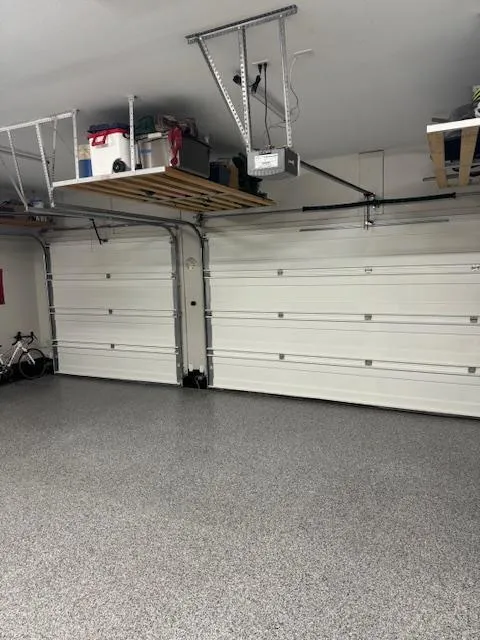
Full flake epoxy is ideal for garages, shops, and workspaces. It features a 100% epoxy base coat with decorative flakes and a polyaspartic topcoat for added strength. The flake system provides texture, which improves slip resistance.
This system is especially effective against abrasion, chemicals, and moisture. Its thick, layered application protects concrete even in tough environments.
Metallic Epoxy
If you want a floor with a high-end look and excellent durability, metallic epoxy is a great choice. It uses metallic pigments mixed into the epoxy resin to create a unique, marble-like finish. This system works well in basements, offices, and showrooms.
It not only protects against UV and stains but also offers a high-gloss surface that’s easy to clean. Metallic epoxy combines beauty with strength.
Random Flake Epoxy
Random flake epoxy offers visual variety and strong surface protection. It involves broadcasting flakes in a scattered pattern and sealing them with a clear urethane topcoat. The result is a durable finish with excellent wear resistance and UV stability.
This option is great for spaces where traction, low maintenance, and a clean look are priorities.
Solid Color Epoxy
Solid color epoxy is a simple, clean-looking system that provides high resistance to chemicals, scratches, and stains. It’s a solid choice for garages, workshops, and industrial floors that need long-term durability without sacrificing aesthetics.
It comes in many colors, allowing for customization while still delivering a sleek, easy-to-maintain surface.
Focus on Surface Preparation
Even the best coating can fail without proper surface preparation. Grinding or shot blasting ensures that the coating bonds well to the concrete. This step removes old coatings, opens the pores of the surface, and creates a profile for maximum adhesion.
Skipping this process can lead to peeling, bubbling, or early failure of the system.
Apply High-Performance Sealers
To enhance longevity and surface protection, it’s essential to use a high-quality topcoat. Polyaspartic and urethane sealers offer UV resistance, stain protection, and long-term durability. These topcoats also provide the right level of gloss and traction for your environment.
Protect Your Floor with Mr. Seal
If you’re a homeowner or business owner, you may already be frustrated by peeling coatings, stained surfaces, or cracks that keep getting worse. It can be overwhelming to find a reliable solution that actually lasts. That’s where expert help makes the difference.
At Mr. Seal Floors, we have spent over 35 years solving these exact challenges. We understand the conditions that break down concrete and how to beat them with durable, high-performance coatings. If you're considering garage floor resurfacing, we’ll guide you through the best options and ensure the work is done right.
Whether you need better durability, a slip-resistant finish, or a sleek new look, we deliver results that last. Contact us today at 515-493-8630 or [email protected].


Garage flooring done right since 1984.
Monday - Friday
8:00 AM - 5:00 PM
Information

