


Blogs
News & Blogs
Metallic Epoxy: What to Know Before Installing at Home
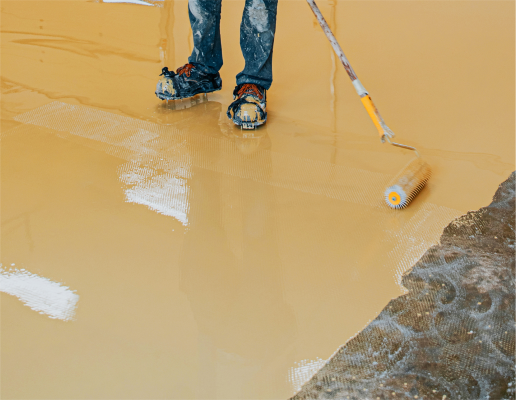
Designer epoxy floors are quickly becoming a top choice for homeowners who want a stylish, durable surface. These floors offer a seamless blend of beauty and strength, perfect for modern spaces. Whether you're drawn to the bold shimmer of metallic epoxy or the clean look of solid color coatings, understanding the process and options is important.
Let us walk you through the types of designer epoxy floors, key installation considerations, what to expect during the process, and how to maintain your new floor.
Types of Designer Epoxy Floors
Designer epoxy systems offer a range of finishes. Each style provides different visual effects and performance benefits, making it important to choose based on your space and goals.
Metallic Epoxy Floors
Metallic epoxy floors create a dramatic, high-gloss finish. The effect comes from mixing metallic pigments into clear epoxy, then spreading it in a way that creates depth and movement. The result is a floor that looks almost like marble or swirling water. This option is ideal for basements, showrooms, or modern living areas where you want something truly unique.
Full Flake Epoxy Floors
This style uses decorative vinyl flakes broadcast onto a base layer of epoxy. The flakes add texture and slip resistance. A clear topcoat seals everything in, protecting the surface and adding shine. Full flake systems are especially popular in garages, utility rooms, and workshops. They offer a clean, professional look while hiding dirt and wear.
Random Flake Epoxy Floors
Random flake systems have a more natural, subtle appearance. The flakes are scattered lightly over the base coat instead of being fully saturated. This gives a speckled look that still provides grip and durability. It's a great option for high-traffic areas like hallways or home gyms.
Solid Color Epoxy Floors
Solid color epoxy offers a uniform, polished appearance. Available in a wide range of shades, this system gives you the flexibility to match your floor to your decor. It's sleek, simple, and easy to clean, making it ideal for minimalist interiors, garages, or basements.
Key Considerations Before Installation
Before installing epoxy flooring, it's important to plan carefully. Every space has unique demands, and your choices should reflect how you use the area and what you expect from the floor.
Surface Preparation
Epoxy systems rely on proper surface prep to perform well. The concrete must be clean, dry, and mechanically etched. Professionals typically use diamond grinding or shot blasting to create the right texture for the epoxy to bond. Skipping or rushing this step can lead to peeling or bubbling later.
Intended Use of the Space
Not every room has the same requirements. Garages often deal with vehicle traffic, oil spills, and heavy tools. These areas benefit from full flake or solid color systems with added grit for traction. In contrast, living spaces or basements might favor more decorative epoxy floors that balance aesthetics with durability.
Safety and Slip Resistance
Glossy floors can become slippery when wet. To prevent accidents, many systems include texture additives or flakes to increase grip. If you're covering an area that may get wet or have slopes, be sure to choose a finish that offers slip resistance.
Aesthetic Preferences
Color, texture, and finish all affect how the floor will look. Flake blends can range from natural tones to bold contrasts. Solid colors offer a minimalist appeal. Choose a system that aligns with your interior style.
Environmental Conditions
Temperature and moisture play a role in epoxy performance. In climates with wide temperature swings or high humidity, curing times and bond strength can be affected. Moisture barriers or special formulations may be required in some basements or ground-level installations.
What to Expect During the Installation Process
Knowing what happens before, during, and after installation helps homeowners prepare properly and avoid delays.
Pre-Installation Requirements
Before installers arrive, you’ll need to clear the room of all furniture, vehicles, or stored items. The crew will handle the surface preparation, which includes grinding the concrete and cleaning up dust. This step takes several hours and is essential for a strong, lasting bond.
Installation Timeline
Most residential epoxy floors can be completed in 1 to 3 days. Day one usually involves surface prep and the first coat. Day two may include flake broadcasting or pigment work. The final day is for sealing and topcoating. The actual time depends on the size of the space and the complexity of the finish.
Curing and Reuse
After the final coat, the floor needs time to cure. You can usually walk on it after 24 hours, but wait at least 72 hours before moving furniture or parking a vehicle on it. During this time, avoid getting the surface wet or dusty.
Ventilation and Odors
Some epoxy systems produce noticeable fumes during application. Make sure the area is ventilated. If you're sensitive to odors or have pets, it may be best to stay out of the home until the floor has fully cured.
Maintenance and Longevity
Once installed, epoxy floors are easy to care for and designed to last for years.
Durability and Lifespan
With proper installation and care, epoxy floors can last 10 to 15 years or more. Their resistance to scratches, stains, and chemical spills makes them ideal for both functional and living spaces.
Cleaning and Upkeep
Routine cleaning is simple. Sweep up dirt and dust regularly, and mop occasionally with a mild cleaner. Avoid harsh chemicals or abrasive tools that can dull the finish. For full flake systems, occasional resealing may extend the life and shine.
Appearance Over Time
High-quality epoxy floors maintain their look with minimal fading or yellowing. If properly maintained, they’ll continue to look polished and fresh year after year.
Elevate Your Home with Mr. Seal Floors
Designer epoxy flooring offers a modern, low-maintenance solution for many areas of the home. From sleek solid color finishes to artistic metallic epoxy styles, there's an option for nearly every design vision.
If you're ready to transform your home with a professionally installed epoxy floor, contact us at 515-493-8630 or [email protected]. Our team is here to help you make the right choice for your home.


Garage flooring done right since 1984.
Monday - Friday
8:00 AM - 5:00 PM
Information


©2025, Mr Seal LLC. All Rights Reserved.
Privacy Policy | Terms & Conditions