


Blogs
News & Blogs
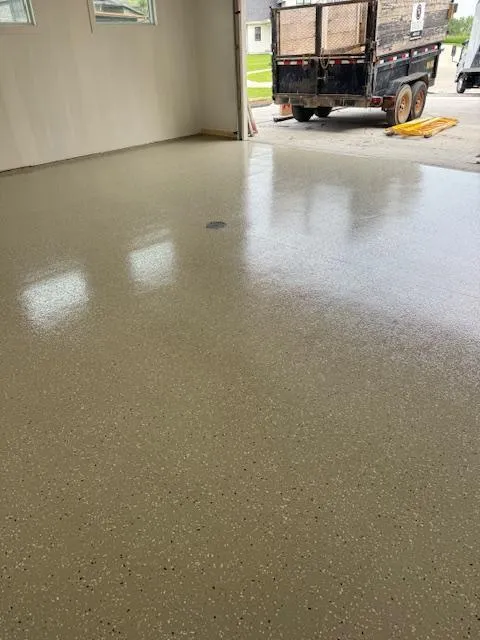
How Epoxy Flooring in Des Moines Extends Concrete Life
Concrete breaks down faster without protection. Moisture, traffic, and chemicals wear it out. Cracks form. Stains set in. Surfaces crumble. You can stop this with the right floor coatings. This guide explains practical ways to protect your concrete. If you're researching epoxy flooring Des Moines property owners trust, here’s what you should know.
Why Concrete Fails Without Protection
Concrete is porous. Water gets in. When it freezes, it expands and cracks the surface. Oil, salt, and chemicals leave permanent stains. In busy areas, foot and vehicle traffic grind the surface down. Sunlight also plays a role. UV rays break down unprotected surfaces, fading the color and weakening structure.
Over time, these problems grow. Flaking and pitting start small. Dirt collects. Cleaning becomes harder. By the time damage shows, it’s often too late. Structural issues are already there. Repairs cost more than prevention. Once cracks form, moisture enters deeper. This accelerates damage and weakens the slab. Preventing this starts with sealing and coating.
How Floor Coatings Shield Concrete from Damage
Coatings form a barrier. They block moisture, oil, salt, and chemicals. That stops damage before it starts. They also resist abrasion from tires, tools, and heavy use. Daily wear and tear no longer grind down the surface.
Coatings fill the surface. That closes pores and prevents freeze-thaw damage. UV-stable topcoats stop sunlight from yellowing or fading the floor. The surface stays solid, clean, and protected. Decorative finishes also hide minor imperfections. That makes the surface look better, even if the concrete underneath isn’t perfect.
Good coatings improve durability. They also make cleaning faster and easier. Dust and debris won’t cling to sealed surfaces. With the right system, your concrete lasts longer and looks better.
Types of Professional Coatings That Enhance Durability
Choose your coating based on traffic, space use, and style. These four types offer strong, lasting protection. Each suits different needs and environments.
Full Flake Epoxy Systems
These coatings use multiple layers. First, a solid epoxy base. Then, a full broadcast of decorative flakes. Last, a clear polyaspartic topcoat. The flakes create texture for grip. The topcoat locks everything in.
These floors work well in garages, shops, and workspaces. They handle heat, weight, and chemicals. They look sharp, hold up under pressure, and come in a range of finishes. Color options help match your space. The textured finish also adds slip resistance for extra safety.
Metallic Epoxy Coatings
This system mixes metallic powders into epoxy. The finish has depth and a high-gloss look. It works for homes or businesses that want clean design with durability.
These coatings resist wear and chemicals. They’re popular in basements, showrooms, and offices. They perform under foot traffic and clean easily. Each floor has a custom appearance. No two applications look the same. The surface shines and reflects light, adding visual interest.
Random Flake Epoxy
This system spreads flakes across tinted epoxy. A clear, UV-stable urethane seals the surface. It’s practical, attractive, and cost-efficient.
The surface stands up to traffic, spills, and daily use. Good for retail, basements, or any space needing a clean, durable finish without full flake coverage. The flake pattern hides dirt and wear better than solid color finishes. It also adds subtle texture without overpowering the space.
Solid Color Epoxy
This option gives you a seamless, uniform surface. Made with 100% solid epoxy, it finishes with a high-performance topcoat.
These floors resist stains, scratches, and chemicals. They suit garages, showrooms, or workshops. The look is simple, clean, and professional. Solid colors create a modern, sleek environment. With proper lighting, they enhance visibility, especially in work areas.
Why Professional Installation Matters
Concrete prep matters. Without it, coatings won’t bond. Professionals grind or blast the surface to remove dirt and open pores. That step ensures long-term adhesion. Clean, open concrete is the foundation of a successful coating job.
Experts use better products. They know how to apply each layer evenly. They manage cure times and apply the right thickness. DIY kits skip these steps. That leads to peeling, bubbling, or early wear.
Hiring skilled installers means the job gets done right. Your floor performs better and lasts longer. The appearance stays sharp. The finish holds up under pressure. Professional application is key to protecting your investment.
Tips to Maintain Your Coated Concrete for Maximum Lifespan
Coated floors need care. These simple steps help extend their life. A little routine effort protects the surface and keeps it looking sharp.
Sweep or Vacuum Regularly
Remove dirt and grit before it scratches the surface. Debris acts like sandpaper if left too long.
Use pH-Neutral Cleaners
Skip harsh products. Use cleaners made for coated floors. Avoid anything acidic or too alkaline. These break down the protective layer over time.
Avoid Dragging Heavy Equipment
Lift or use pads when moving heavy items. Dragging can scratch or gouge the surface. Protect corners and legs of heavy furniture with soft covers.
Place Mats in High-Traffic Areas
Mats catch debris at doorways. They reduce wear where traffic is heaviest. Choose mats with non-slip backings and easy-to-clean surfaces.
Recoat as Needed
Reapply the topcoat every five to seven years. This keeps protection strong and finish intact. Recoating prevents breakdowns in the seal and keeps the surface looking new.
Inspect Regularly
Check for chips, peeling, or fading. Catching small problems early helps avoid bigger repairs. Address any spills quickly. Some chemicals can stain even coated surfaces if left too long.
When maintained, coated concrete lasts 10 to 15 years or more. Some floors last even longer with regular care and timely touch-ups.
Extend the Life of Your Concrete with Mr. Seal Floors
Temporary fixes won’t hold up. DIY kits fail early. Trust experienced installers who prep the surface and apply top-grade materials the right way. That’s how you get a floor built to last. The difference is in the details: proper prep, correct product selection, and expert application.
Looking for epoxy flooring Des Moines homeowners and businesses depend on? Get your free estimate and see samples today and contact us at 515-493-8630 or [email protected].


Garage flooring done right since 1984.
Monday - Friday
8:00 AM - 5:00 PM
Information


©2025, Mr Seal LLC. All Rights Reserved.
Privacy Policy | Terms & Conditions