


Blogs
News & Blogs
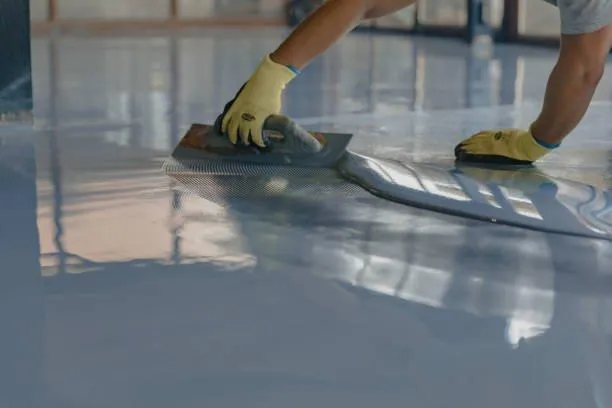
Attached vs. Detached Garages: Does Your Flooring Choice Change? | Mr. Seal Floors
An attached garage and a detached garage may look similar from the floor up, but they do not always face the same demands. How you use the space, the condition of the concrete, exposure to traffic, and your maintenance expectations all influence the right coating system. For homeowners considering Iowa epoxy flooring, garage location is worth considering, but it should not be the only deciding factor. Below, we’ll compare flooring priorities for attached and detached garages, available epoxy systems, and why concrete preparation matters more than the garage’s location.
Why Garage Type Matters When Choosing a Floor
The biggest difference between attached and detached garages is often how they function as part of the property. An attached garage usually serves as a daily transition between the driveway and home. That can make cleanliness, appearance, slip resistance, and easy maintenance especially important.
A detached garage may serve more varied purposes. It might hold vehicles, lawn equipment, tools, storage, or a workshop. Some homeowners use detached garages for hobbies or projects that create heavier traffic and more frequent spills.
Environmental conditions can matter as well. The EPA identifies automobile emissions in attached garages as a potential indoor air-quality concern. That distinction does not determine your flooring system by itself, but it reinforces why an attached garage should be treated as a functional part of the home.
Flooring Priorities for an Attached Garage
Attached garages often benefit from flooring that combines practical protection with a finished appearance. Since homeowners may walk through the garage several times each day, the surface should be easy to maintain while standing up to vehicle traffic, oil, dirt, water, and everyday wear.
Full flake epoxy is a strong option for these spaces. At Mr. Seal, the system starts with a 100% epoxy base coat. Decorative flakes are then broadcast to refusal before the floor is sealed with a clear polyaspartic topcoat. Grit can be incorporated for additional slip resistance.
The result is a durable surface with color and texture that can make the garage feel more complete. Homeowners can also choose from numerous flake blends, making it easier to coordinate the garage with the rest of the property.
For an attached garage, that combination of durability, cleanability, and appearance can make full flake flooring a practical long-term choice.
Flooring Priorities for a Detached Garage
Detached garages often place heavier emphasis on function, especially when the space doubles as a workshop, equipment area, or hobby space. Flooring may need to handle tools, regular foot traffic, vehicle use, stains, and routine cleaning without becoming difficult to maintain.
Random flake epoxy is one option for these applications. Mr. Seal installs this system using a two-part epoxy base with colored flakes broadcast randomly across the floor. A clear urethane topcoat provides wear resistance, UV protection, and slip resistance.
Solid color epoxy can also work well when a homeowner wants a simpler appearance. Made with a 100% solid epoxy base, the system creates a seamless, glossy surface that resists stains, scratches, chemicals, and common garage spills.
The best choice depends less on the word “detached” and more on what will happen inside the building every day.
Does a Detached Garage Automatically Need a Different Coating?
Two garages can be located differently and still have nearly identical flooring requirements.
A detached garage used only for parking may need the same durability and easy maintenance as an attached two-car garage. Meanwhile, an attached garage used as a serious workshop may require a system chosen primarily for wear resistance and functionality.
Concrete condition also matters. Existing cracks, surface wear, contaminants, and previous coatings can influence the preparation and installation process.
The most useful approach is to evaluate the floor, intended use, appearance goals, and expected traffic together. Garage location provides context, but it should not replace a complete assessment of the concrete and the space.
Comparing Mr. Seal’s Garage Flooring Options
Mr. Seal offers several epoxy systems, allowing homeowners to match the floor to both performance needs and design preferences.
Full flake epoxy combines a 100% epoxy base, a full decorative flake broadcast, and a clear polyaspartic topcoat. It is a strong option for homeowners seeking durability, texture, and a polished finished appearance.
Random flake epoxy uses randomly broadcast colored flakes over a two-part epoxy base, followed by a clear urethane topcoat. It offers a balance of wear resistance, UV protection, slip resistance, and visual interest.
Solid color epoxy provides a clean, seamless look. Its glossy finish works well in garages, workshops, basements, and other spaces where easy maintenance and resistance to stains and chemicals are priorities.
Metallic epoxy is more design focused. Metallic powders are mixed into 100% epoxy resin to create depth, movement, and a unique finish. It can be an excellent choice for a garage designed as a showroom-style space or an extension of a finished entertainment area.
Surface Preparation Matters More Than Attached vs. Detached
Even the right coating system can underperform when the concrete beneath it is not properly prepared. Surface preparation creates the foundation for a strong bond between the coating and concrete.
Mr. Seal uses professional preparation methods such as diamond grinding and shot blasting, depending on the flooring system and slab conditions. These processes help remove surface material and prepare the concrete for coating.
Concrete grinding also requires proper equipment and safety procedures. OSHA notes that grinding concrete can generate respirable crystalline silica, which is one reason professional preparation involves more than simply roughening the floor with basic equipment.
Mr. Seal brings more than 35 years of residential, commercial, and industrial epoxy installation experience to this process. Careful preparation is part of building a floor intended to perform for years.
Choose the Floor Around How You Use the Garage
Attached garages often place more emphasis on appearance, cleanliness, and their connection to the home. Detached garages may lean toward workshop durability and functional performance. Those are useful tendencies, not fixed rules.
The right system should reflect traffic, concrete condition, maintenance needs, exposure, and the look you want. A professionally evaluated floor gives you a better basis for choosing than garage location alone.
The CDC also recommends specific ventilation precautions when operating vehicles around both attached and detached garages, another reminder that how the garage is used matters just as much as where it sits.
Find the Right Garage Floor With Mr. Seal
Your garage deserves a flooring system selected for its actual conditions, not a one-size-fits-all recommendation. Mr. Seal offers free estimates and samples so you can compare colors, textures, and systems before making a decision.
If you are exploring Iowa epoxy flooring for an attached or detached garage, contact Mr. Seal at 515-493-8630 or [email protected] to compare full flake, random flake, metallic, and solid color epoxy options backed by decades of installation experience.


Garage flooring done right since 1984.
Monday - Friday
8:00 AM - 5:00 PM
Information

